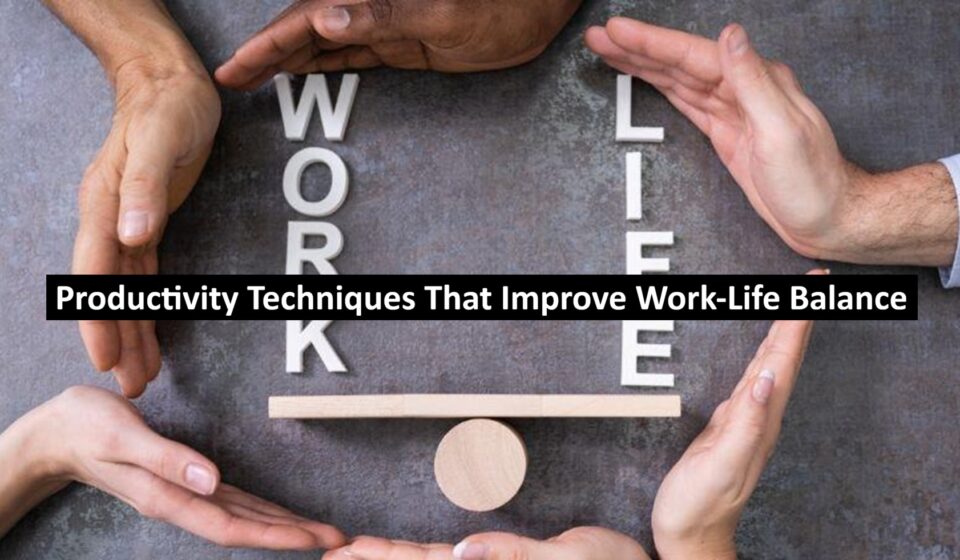

Finding a sustainable balance between professional life and work life is a complicated issue that a majority of us grapple with today, more than ever. The workload of professionals in the present day environment are quite often extremely high which takes a toll on their personal life. There are days and months that blur into an endless stream of tight deadlines and demanding work, which could result in an undue amount of stress, fatigue and an inability to produce their best work.
There’s no magic recipe for high productivity, except maybe working hard smarter. Organizing and prioritize your day will eventually take on you work without breaking your physical as well as your mental body. There are many tricks of time management, a simple switch on your day will do so much for work and life balance.
Why Work-Life Balance Is Important
A work-life balance has advantages in both personal and work settings. Those who maintain this kind of arrangement may lead to reduced stress levels, an improved sense of personal well-being, increased overall physical health and increased career satisfaction, higher productivity at the workplace, and a greater level of motivation, and a rise in creativity.
Maintaining a healthy work-life balance is closely connected to emotional well-being. Exploring mental health assignments. Will offer practical tips on stress management, building resilience and healthier routines that can help both you and your organization thrive.
Working life with and for yourself: A balanced working life helps strengthen your personal relationships and boost your well-being. Thanks to the time off and clear boundaries, you return to work refreshed and more concentrated!
Read: 5 Health Problems You Are Actually Not Too Youthful For
Start Your Day with a Clear Plan
Prepare a to-do list Work your to-do list Prioritizing your tasks before your workday helps you stay productive and organized throughout your day. Start with the most important tasks that are a part of your to-do list and rank them according to importance. Accomplishing high-priority tasks first in the day takes pressure off of you.
Keeping it all with the use of a digital organizer or basic planner ensures you don’t have anything to miss. Having your planner to glance over each morning is useful in staying ready for unforeseen events without becoming overly stressed.
Prioritize Important Tasks
Do Not Waste Effort on Low-Yielding Activities (38) Some things that we put time into just aren’t that worthwhile. Find the things that have a huge impact on what you’re trying to achieve, and make sure that they’re done before less productive tasks are addressed.
Taking a big project and breaking it down into tiny parts also makes it feel totally possible to actually get through. Every time you knock out a small accomplishment or task, make a point of recognizing that for what it is to boost your energy and manage stress.
Use Time Blocking
It involves scheduling time in specific increments for each and every task you have on your to-do list. In place of flipping back and forth between a slew of tasks all day, schedule blocks of uninterrupted time where you just work on that specific thing.
Block time specifically for meetings, answering emails, and working on creative projects-along with some quick breaks, too. A set schedule will help you stay disciplined while making sure no key responsibilities are left unattended.
Avoid Multitasking
People think that multitasking can be productive but in fact the opposite. The constant movement from task to task causes an inability to focus so therefore you can make mistakes. Concentrate on one thing and it’s more likely to be produced to a higher standard.
If your brain’s fully invested in your task, your brain stays on point. When your finish a task then move to the next, it’s going to make you feel like more is accomplished, while it is easier on the brain too.
Set Healthy Work Boundaries
Keep work and your private life separate For long-term well-being, make sure that work doesn’t spill into your free time as much as possible. That means not reading work emails or responding to calls at the end of your shift, when possible. If you’re setting a clear work and private time separation, you will prevent things becoming too overwhelming.
Make your availability known to clients and co-workers. By honoring your boundaries, you also implicitly grant permission to others to respect your limits, as well.
Take Regular Breaks
Prolonged bouts of sitting can also cause concentration levels to drop and energy levels to fade. It is a wise idea to have regular breaks during the day so you are able to clear your mind and get back to concentrating. Move away from the table, stretch or go for a quick walk.
Not only will you increase your focus and attention to detail, but taking a break every now and then will also make it easier for your eyes to stop straining and your body to relax from the uncomfortable physical position. Many people even come back to their work after a brief rest feeling refreshed and much more capable of making good decisions.
Reduce Digital Distractions
Social media notifications, smartphone alerts and a steady stream of emails make for one of the biggest hurdles to productivity. The simplest of techniques – turn off all your useless notifications, establish quiet work times where no distractions are permitted- can make all the difference. Minimize disruptions to tick off items faster.
Try checking your email at designated times, rather than glancing into your inbox periodically. It keeps you on track by preventing unnecessary context switching.
Learn to Delegate
Delegation allows you to lighten your workload by trusting a coworker to handle tasks for which they’re more qualified, which ultimately contributes to higher productivity and teamwork. If you attempt to carry every burden on your shoulders, stress and burnout are likely to follow soon after.
You also support the professional development of others when you delegate tasks to those who are the right fit. Not only this, distributing workloads helps you balance the pressures of work.
Maintain a Healthy Lifestyle
Another important factor is physical well-being and how it affects both your work-life balance and productivity. Good diet, regular exercise, staying hydrated, and adequate sleep not only lead to better physical stamina, but also to clearer thought processes and concentration, benefiting your performance all day long.
Even a brief stint of mindful meditation or even a simple walk or stretch can have a powerful effect on your overall well-being. When you focus on your health, you’ll be able to show up consistently and you won’t experience burnout so often.
Review Your Progress Regularly
Knowing your work habits enables you to identify which practices are most beneficial. Take time at the end of your day to analyze the projects you’ve finished and the methods you can use to make future days more effective. These reviews offer opportunities for growth and improved management of time.
By documenting your accomplishments, it actually boosts your confidence and motivation as you are able to view your progress throughout the year. A tiny step taken every day often contributes towards larger progress over time.
Common Productivity Mistakes to Avoid
The Most Dangerous Time-Management Faux Pas – And One That Will Raise Your Stress Levels (And fill in every hour in the day with a specific work task.) When you fill every moment of your schedule with a specific work task, you aren’t leaving space for unexpected challenges or opportunities to simply relax. This makes your day more stressful. Creating some flexibility in your schedule means you can adapt easier to whatever priorities arise.
This can come as a result of sacrificing your personal wellness and putting work in its stead. Putting family and rest off in exchange for an increase in productivity may give you a slight advantage initially but over a long period, you will have a high chance of suffering from burnout and it won’t serve you for the long term in terms of productiviy.
Conclusion
Work More Efficiently, not Necessarily Harder: Smart productivity practices help you reclaim time instead of simply adding more hours. By planning your day and setting priorities, and employing techniques like time blocking, time-boxing, minimizing distractions, and healthy boundary setting, you can boost efficiency and reduce stress.
With continued and sustained application of the productivity principles discussed above, you can look forward to greater career success, without diminishing your capacity for family life, personal pursuits and personal development. The attainment of true work life balance, it seems, may indeed come from making a few slight adjustments on a daily basis.
Author’s Bio:
Lalit Sen is a freelance content writer, blogger, and digital marketing expert with a passion for creating informative, engaging, and reader-friendly content. He specializes in digital marketing, technology, business growth, and workforce management market trends.